

Flat roofs are a popular choice for both residential and commercial properties due to their modern look and efficient use of space. However, they come with their own set of challenges, especially when it comes to maintenance and repair. Unlike pitched roofs, flat roofs tend to collect water, making them more vulnerable to leaks and damage over time. Understanding how flat roof repair works can help you protect your property and avoid costly replacements.
In this guide, we will walk through everything you need to know about flat roof repair, from common issues to repair methods and maintenance tips. Whether you are dealing with a small leak or considering a full restoration, this article will give you expert-level insight in a simple and easy-to-understand way
Common Problems Found in Flat Roofs
Flat roofs may look simple, but they are exposed to a wide range of environmental factors that can cause damage over time. One of the most common issues is water pooling. Since flat roofs do not have a steep slope, water can accumulate in certain areas, especially if the drainage system is not working properly. This standing water can slowly weaken the roofing material and eventually lead to leaks.
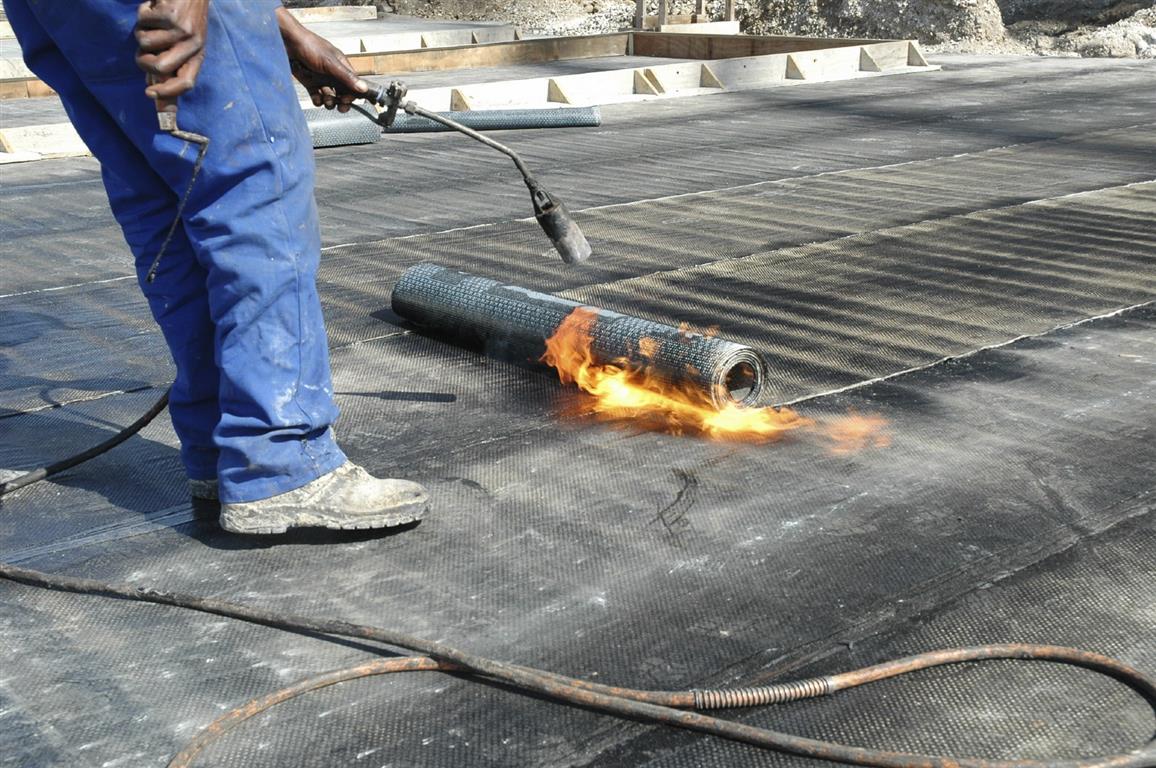
Another frequent problem is membrane damage. Flat roofs are usually covered with materials like EPDM, TPO, or modified bitumen. These materials can crack, blister, or shrink due to temperature changes and prolonged exposure to sunlight. Once the membrane is compromised, water can easily penetrate into the underlying layers.
Additionally, flashing failures are a major concern. Flashing is used around edges, vents, and joints to prevent water from seeping in. Over time, flashing can loosen or corrode, creating entry points for moisture. Even a small gap can result in significant damage if left untreated.
Signs Your Flat Roof Needs Repair
Knowing when your flat roof needs repair is crucial to preventing bigger problems. One of the earliest signs is visible water stains on your ceiling or walls. These stains often indicate that water has already penetrated the roof and is spreading inside your home.
Another sign to watch for is bubbling or blistering on the roof surface. This usually happens when moisture gets trapped under the roofing material and expands due to heat. While it may seem minor at first, it can quickly lead to cracks and leaks if ignored.
You should also pay attention to unusual odors or mold growth inside your property. These can be signs of hidden water damage caused by a leaking roof. Regular inspections, especially after heavy rain or storms, can help you catch these warning signs early and take action before the damage worsens.
Types of Flat Roof Repair Methods
Flat roof repair is not a one-size-fits-all process. The method used depends on the type of damage and the roofing material. For minor leaks or cracks, patch repairs are often the most effective solution. This involves applying a specialized roofing patch or sealant to the damaged area to restore its waterproofing capability.
For more extensive damage, a partial reroofing may be necessary. This process involves removing the damaged section of the roof and replacing it with new material. It is a more durable solution than simple patching and can extend the life of your roof significantly.
In cases where the roof is severely damaged or has reached the end of its lifespan, a full roof replacement might be the best option. While this is the most expensive solution, it provides a long-term fix and ensures that your property remains protected for years to come. Choosing the right method depends on a professional assessment and your budget.
DIY vs Professional Flat Roof Repair
Many homeowners consider repairing their flat roof themselves to save money. While DIY repairs can work for very minor issues, they are not always the best choice. Flat roof systems can be complex, and improper repairs can lead to more damage in the long run.
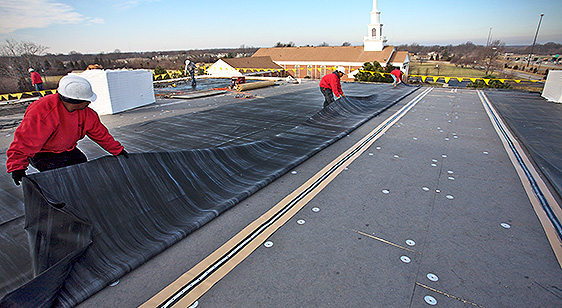
Professional roofers have the experience and tools needed to accurately diagnose problems and apply the correct solutions. They can identify hidden issues that may not be visible to an untrained eye. Moreover, professional repairs often come with warranties, giving you peace of mind.
On the other hand, DIY repairs may seem cost-effective initially, but they can be risky if you lack the necessary skills. Safety is also a concern, as working on a roof can be dangerous. In most cases, it is better to consult a professional, especially for significant repairs or recurring issues.
Cost Factors in Flat Roof Repair
The cost of flat roof repair can vary widely depending on several factors. One of the main factors is the extent of the damage. Small repairs like sealing a crack or patching a leak are relatively inexpensive, while major repairs or replacements can be costly.
The type of roofing material also plays a significant role in determining the cost. Some materials are more expensive to repair due to their complexity or the need for specialized tools. Labor costs can also vary depending on your location and the experience of the contractor.
Another important factor is accessibility. If your roof is difficult to access or requires additional safety measures, the overall cost may increase. It is always a good idea to get multiple quotes from professionals to ensure you are getting a fair price for the work.
Preventive Maintenance for Flat Roof Longevity
Preventive maintenance is the key to avoiding frequent repairs and extending the life of your flat roof. Regular inspections should be conducted at least twice a year, as well as after severe weather conditions. This helps identify potential issues before they become serious problems.
Keeping your roof clean is also essential. Debris such as leaves, dirt, and branches can block drainage systems and lead to water pooling. Regular cleaning ensures that water flows freely and reduces the risk of damage.
Additionally, maintaining proper drainage is crucial. Make sure that gutters and downspouts are clear and functioning correctly. Installing additional drainage solutions, such as scuppers or internal drains, can further improve water management and protect your roof from long-term damage.
When to Consider Full Replacement Instead of Repair
While repairs can fix many issues, there comes a time when replacement is the better option. If your flat roof is more than 15–20 years old and requires frequent repairs, it may be more cost-effective to replace it بالكامل rather than continuing to fix recurring problems.
Extensive water damage is another sign that replacement may be necessary. If the underlying structure of the roof is compromised, simple repairs will not be enough to restore its integrity. In such cases, a full replacement ensures safety and durability.
Finally, if you are planning to upgrade your property or improve its energy efficiency, replacing your flat roof with modern materials can be a smart investment. New roofing systems often offer better insulation, durability, and resistance to environmental factors.
Final Thoughts on Flat Roof Repair
Flat roof repair is an essential aspect of property maintenance that should not be overlooked. Understanding the common problems, recognizing early warning signs, and choosing the right repair method can save you time, money, and stress in the long run.
While some minor issues can be handled with DIY solutions, professional expertise is often necessary for lasting results. Regular maintenance and timely repairs will ensure that your flat roof remains in good condition and continues to protect your property effectively.
By staying proactive and informed, you can extend the life of your flat roof and avoid costly replacements. Whether you are dealing with a small leak or planning a major repair, taking the right steps today will make a significant difference in the future



Leave a Reply