

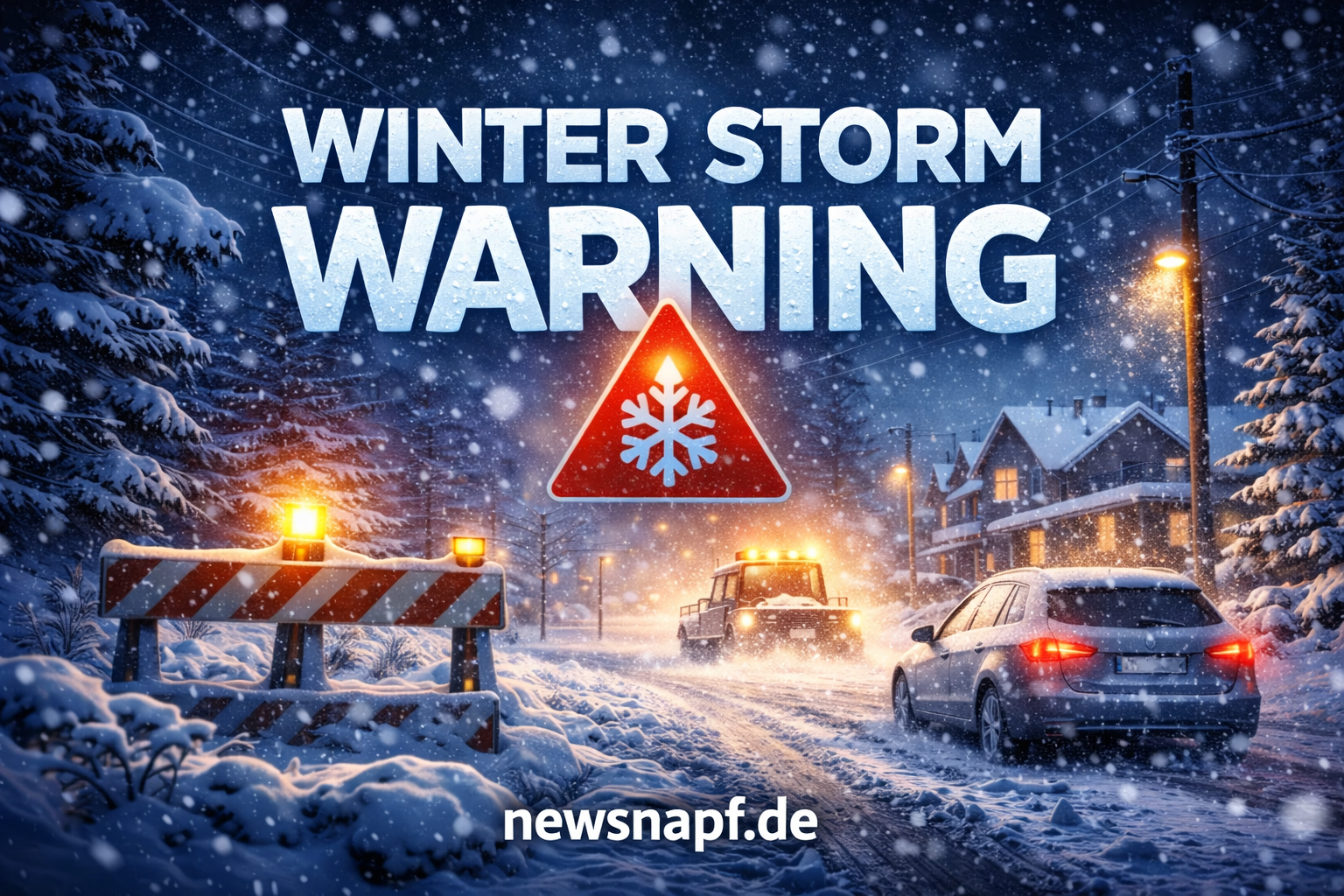
A winter storm warning is one of the most important alerts issued during the cold season, especially in regions that experience heavy snowfall, ice storms, or extreme cold conditions. It signals that severe winter weather is either already happening or expected to occur very soon. Unlike general weather advisories, a warning indicates a higher level of urgency and risk, meaning people should take immediate precautions to stay safe.
When a winter storm warning is issued, it typically involves a combination of hazardous conditions such as heavy snow, freezing rain, strong winds, and dangerously low temperatures. These factors can disrupt daily life, impact transportation, and even pose serious threats to health and safety. Understanding what this warning means can help individuals and families make better decisions during extreme weather.
In this article, we will explore the meaning of a winter storm warning, how it differs from other alerts, and what steps you should take to prepare and stay safe. By the end, you will have a clear understanding of how to respond effectively when such a warning is issued.
What Triggers a Winter Storm Warning
A winter storm warning is issued when meteorologists predict significant winter weather that meets specific criteria. This usually includes heavy snowfall—often several inches within a short period—or a combination of snow and ice that can create dangerous conditions. The exact criteria may vary depending on the region, but the goal is always to alert people to serious weather risks.
In addition to snowfall, freezing rain and ice accumulation can also trigger a warning. Ice storms are particularly dangerous because they can coat roads, power lines, and trees with a thick layer of ice. This increases the risk of accidents, power outages, and structural damage. Even a small amount of ice can make surfaces extremely slippery and hazardous.
Strong winds are another factor that can elevate a storm to warning status. When combined with snow, winds can create blizzard-like conditions, reducing visibility and making travel nearly impossible. These conditions can develop quickly, which is why early warnings are so important.
Difference Between Watch, Advisory, and Warning
Weather alerts are often categorized into three main types: watch, advisory, and warning. Understanding the difference between these terms is essential for responding appropriately. A winter storm watch means that conditions are favorable for a storm to develop, but it is not yet certain. It serves as an early alert to stay informed and prepared.
A winter weather advisory is issued when less severe conditions are expected. While the weather may still cause inconvenience or minor hazards, it is not considered life-threatening. For example, light snowfall or minor ice accumulation may lead to an advisory rather than a warning.
A winter storm warning, on the other hand, indicates that severe weather is imminent or already occurring. This is the highest level of alert in this category and requires immediate action. People are advised to avoid unnecessary travel, secure their homes, and prepare for potential disruptions.
Common Impacts of a Winter Storm Warning
Winter storm warnings can have a wide range of impacts on daily life. One of the most noticeable effects is on transportation. Snow-covered roads, icy surfaces, and reduced visibility can make driving extremely dangerous. In many cases, authorities may close roads or issue travel restrictions to prevent accidents.
Power outages are another common consequence of severe winter storms. Heavy snow and ice can weigh down power lines and cause them to break. This can leave entire neighborhoods without electricity for extended periods, especially in rural areas. Losing power during cold weather can also create additional risks, such as frozen pipes and lack of heating.
Schools and businesses are often affected as well. Closures and delays are common during winter storm warnings, as safety becomes the top priority. These disruptions can impact work schedules, education, and daily routines, making it important to plan ahead.
How to Prepare Before the Storm Hits
Preparation is key when it comes to handling a winter storm warning. One of the first steps is to stay informed by monitoring weather updates through reliable sources. This allows you to understand the severity of the storm and take appropriate action.
Stocking up on essential supplies is another important step. Items such as food, water, medications, and batteries should be readily available in case you need to stay indoors for an extended period. It is also a good idea to have emergency supplies like flashlights, blankets, and a first aid kit.
Preparing your home can also make a significant difference. Insulating pipes, checking heating systems, and sealing any drafts can help maintain a comfortable indoor environment. Taking these steps in advance can reduce the risk of damage and ensure that you and your family remain safe.

Safety Tips During a Winter Storm Warning
When a winter storm warning is in effect, staying safe should be your top priority. One of the most important guidelines is to avoid unnecessary travel. Roads can become extremely hazardous, and even experienced drivers may struggle in severe conditions.
If you must go outside, dressing appropriately is essential. Wearing multiple layers, including insulated clothing, gloves, and hats, can help protect against extreme cold. Frostbite and hypothermia are real risks during winter storms, so it is important to limit exposure as much as possible.
Inside the home, it is important to use heating sources safely. Avoid using generators or grills indoors, as they can produce dangerous carbon monoxide gas. Keeping emergency contact numbers handy and staying connected with family members can also provide added security during the storm.
The Role of Emergency Services and Authorities
During a winter storm warning, emergency services play a critical role in maintaining safety and order. Local authorities often coordinate efforts to clear roads, restore power, and provide assistance to those in need. Their work is essential in minimizing the impact of the storm.
Public communication is another important aspect of their role. Authorities provide updates on road conditions, closures, and safety guidelines. Paying attention to these announcements can help you make informed decisions and avoid unnecessary risks.
In some cases, emergency shelters may be set up for people who are unable to stay in their homes. These shelters provide warmth, food, and basic necessities, ensuring that vulnerable individuals have a safe place to go during severe weather conditions.
Long-Term Effects of Severe Winter Storms
While the immediate impact of a winter storm warning is often the most noticeable, there can also be long-term effects. Damage to infrastructure, such as roads and power lines, may take time to repair. This can lead to prolonged disruptions in certain areas.
Economic impacts are also a consideration. Businesses may experience losses due to closures, and repair costs can add up quickly. For individuals, expenses related to heating, repairs, and emergency supplies can increase during the winter season.
Environmental effects may also occur. Heavy snowfall can impact wildlife and natural ecosystems, while ice storms can damage trees and vegetation. Understanding these long-term effects highlights the importance of preparation and resilience.
Final Thoughts on Winter Storm Warning Preparedness
A winter storm warning is not something to take lightly. It serves as a critical alert that severe weather conditions are imminent and that immediate action is necessary. By understanding what triggers these warnings and how they differ from other alerts, you can respond more effectively.
Preparation and awareness are the most powerful tools for staying safe. From stocking up on supplies to following safety guidelines, every step you take can make a difference. Being proactive rather than reactive helps reduce risks and ensures that you are ready for any situation.
Ultimately, winter storms are a natural part of the seasonal cycle, but their impact can be managed with the right knowledge and preparation. By staying informed and taking precautions, you can navigate these challenging conditions with confidence and safety.




Leave a Reply